MEACA Takes EAC Integration to Communities Through Buliisa and Buhuka Engagements
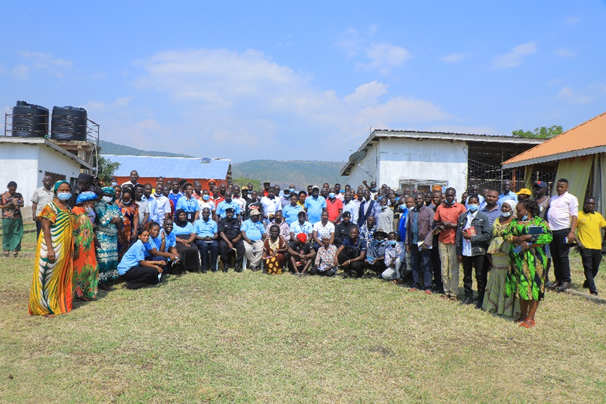
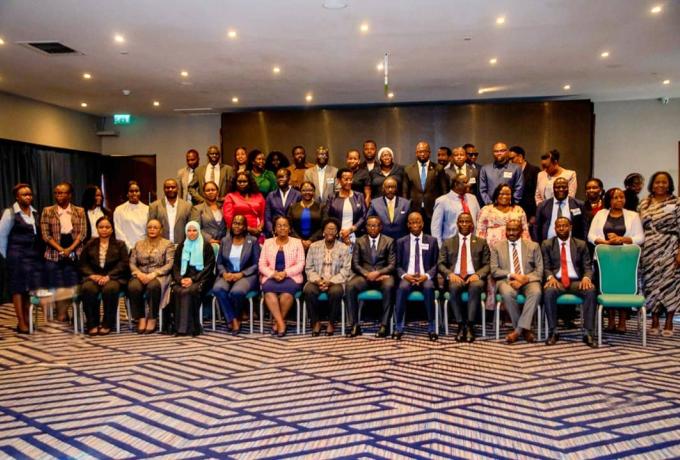
From 2 to 3 July 2026, the Ministry of East African Community Affairs (MEACA) carried out a series of community engagements in Buliisa and Kikuube districts aimed at increasing public awareness of the East African Community (EAC) integration agenda and equipping communities to benefit from regional trade and economic opportunities.
The two-day outreach, led by the Ministry's Economic Affairs Department, brought together district leaders, technical officers, Parish Development Model (PDM) beneficiaries, border agencies, traders, cultural and religious leaders, media practitioners, and members of border communities. The engagements focused on deepening understanding of the EAC integration process, promoting intra-EAC trade, highlighting opportunities under the East African Community and the African Continental Free Trade Area (AfCFTA), and encouraging communities to leverage government programmes to improve their livelihoods.
The outreach commenced on 2 July in Buliisa District, where participants explored how regional integration can expand markets for local products, create employment opportunities, and support inclusive economic growth. The Ministry encouraged PDM beneficiaries, entrepreneurs, and local leaders to take advantage of the EAC Common Market by producing competitive goods and exploring opportunities beyond Uganda's borders.
The sensitization concluded on 3 July at Buhuka Border Post in Kikuube District, bringing together customs officials, immigration officers, security agencies, Local Council leaders, cross-border traders, and members of the border community.
Opening the engagement, Commissioner Leo Ojara provided an overview of MEACA's mandate and the progress made in implementing the pillars of East African Community integration. He emphasized the important role border communities play in facilitating trade, strengthening regional cooperation, and driving socio-economic development.
One of the highlights of the engagement was a testimony from the Chairperson of the Women Cross-Border Traders Association, who explained how initiatives such as the Simplified Trade Regime (STR) and the One Stop Border Post (OSBP) have enabled many women to transition from informal trading to formal cross-border business. She encouraged fellow traders to organize into cooperatives and take advantage of government initiatives, including the Parish Development Model (PDM) and the Generating Growth Opportunities and Productivity for Women Enterprises (GROW) Project.
Participants welcomed the Ministry's outreach and called for continued sensitization on customs and immigration procedures, as well as improved transport connectivity through a government-supported ferry service. Customs and security officials responded to questions, clarified trade procedures, and reaffirmed the strong collaboration among border agencies in promoting safe, secure, and efficient cross-border trade.
Through these engagements, MEACA continues to bridge the gap between regional policy and local communities, ensuring that Ugandans understand, access, and benefit from the opportunities created through East African Community integration.


Related stories
We are professional and reliable provider since we offer customers the most powerful and beautiful themes. Besides, we always catch the latest technology and adapt to follow world’s new trends to deliver the best themes to the market.
Contact info
We are the leaders in the building industries and factories. We're word wide. We never give up on the challenges.
- 2 Queen Street,California, USA
- (+84) 04 123 456
- [email protected]